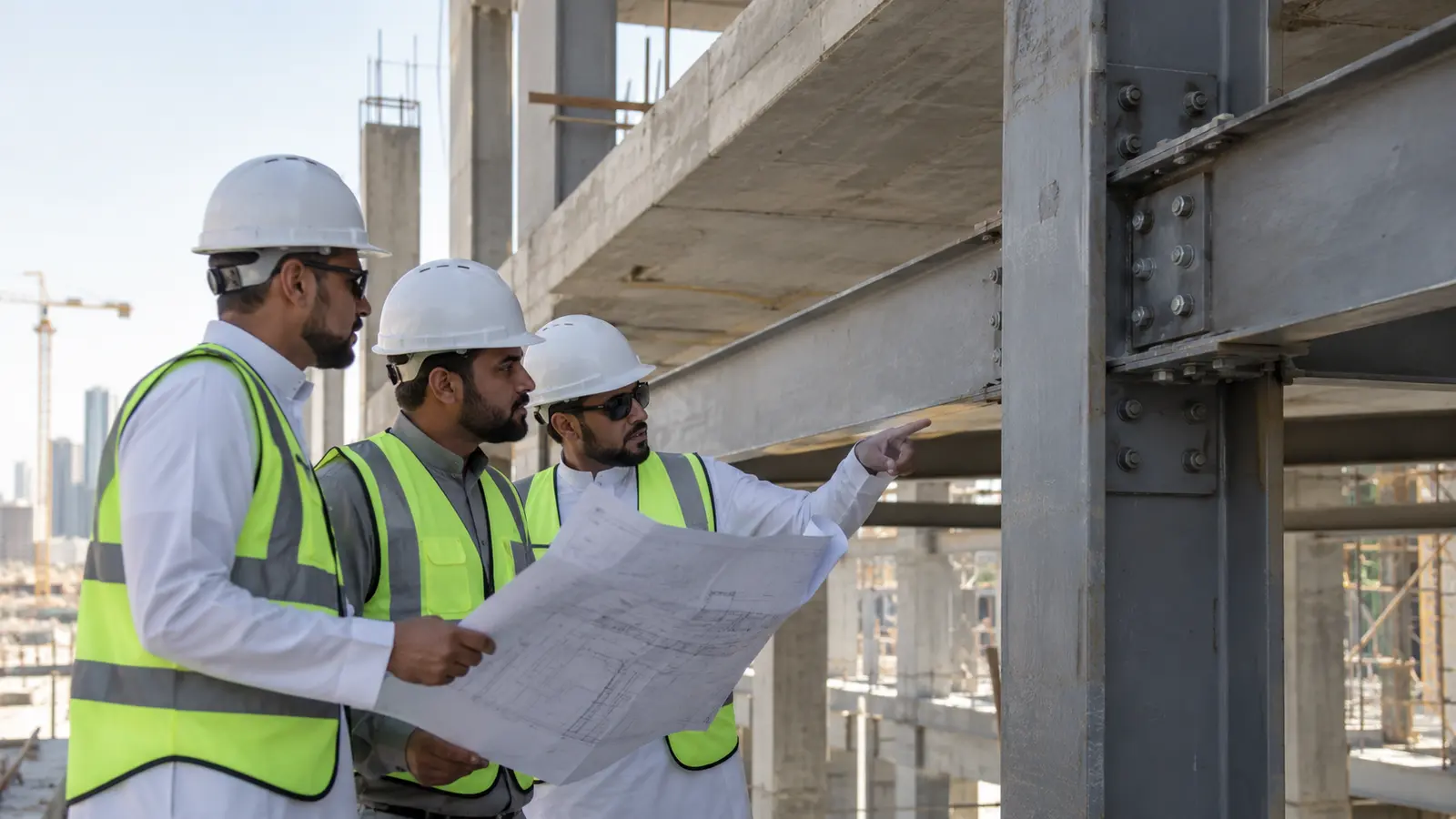
A guide to coordinating structural design with architecture, MEP systems, construction methodology and site execution on Saudi projects.
A guide to coordinating structural design with architecture, MEP systems, construction methodology and site execution on Saudi projects. This article focuses on practical decision-making and project coordination rather than promotional claims, helping clients and project teams understand the issues that can influence delivery in Saudi Arabia.
Why Structural Coordination Starts Early
Structural decisions influence grids, spans, floor depths, openings, foundations and the space available for building services. Early coordination allows the structural concept to respond to architectural function and construction requirements before details become difficult to change.
The objective is not only to produce calculations. It is to create a structural solution that can be constructed, coordinated and integrated with the rest of the project.
Architecture and Structure
Column positions, wall lines, façade supports, stair openings and large architectural spaces can directly affect structural design. Regular coordination helps balance visual intent with practical load paths and member sizes.
When major architectural changes occur, their structural impact should be reviewed promptly so drawings remain aligned across disciplines.
MEP Openings and Service Routes
Mechanical and electrical systems often require penetrations through slabs, walls and structural zones. Late requests for large openings can create redesign or strengthening requirements.
Coordinated builders-work drawings and opening schedules are useful tools for confirming penetrations before reinforcement or fabrication reaches site.
Constructability and Temporary Conditions
A structure must be safe in its final condition, but the construction sequence also matters. Pour sequences, temporary supports, erection stability, access and lifting constraints should be considered as part of constructability review.
Close communication between designers and site teams helps ensure that assumptions made during design remain practical during execution.
Managing Revisions
Construction projects evolve. A controlled revision process is essential so site teams work from the latest approved information. Structural changes should be communicated clearly to affected disciplines and reflected in coordinated drawings.
Revision control reduces the risk of building from superseded information and helps maintain traceability for technical decisions.
Strong project outcomes are usually created by early coordination, clear technical information and disciplined execution across the full delivery team.
Frequently Asked Questions
What is structural coordination?
It is the process of aligning structural requirements with architecture, MEP systems, fabrication and construction needs.
When should openings be coordinated?
As early as possible, ideally before reinforcement detailing, fabrication or concrete placement.
Why is constructability review useful?
It tests whether the structural solution can be executed safely and efficiently using the proposed construction sequence and site resources.
Discuss Your Project With AJASCO
AJASCO Global Company supports project requirements through its Structural Engineering services and wider engineering, construction and industrial capabilities in Saudi Arabia. For a specific requirement, contact the AJASCO team to discuss the project scope.
Have a Project in Saudi Arabia?
Contact AJASCO Global Company to discuss your structural engineering requirements.
Contact AJASCO →